Ceylon Gems & Jewellery
Our Heritage — Sri Lanka
Our Heritage — Sri Lanka
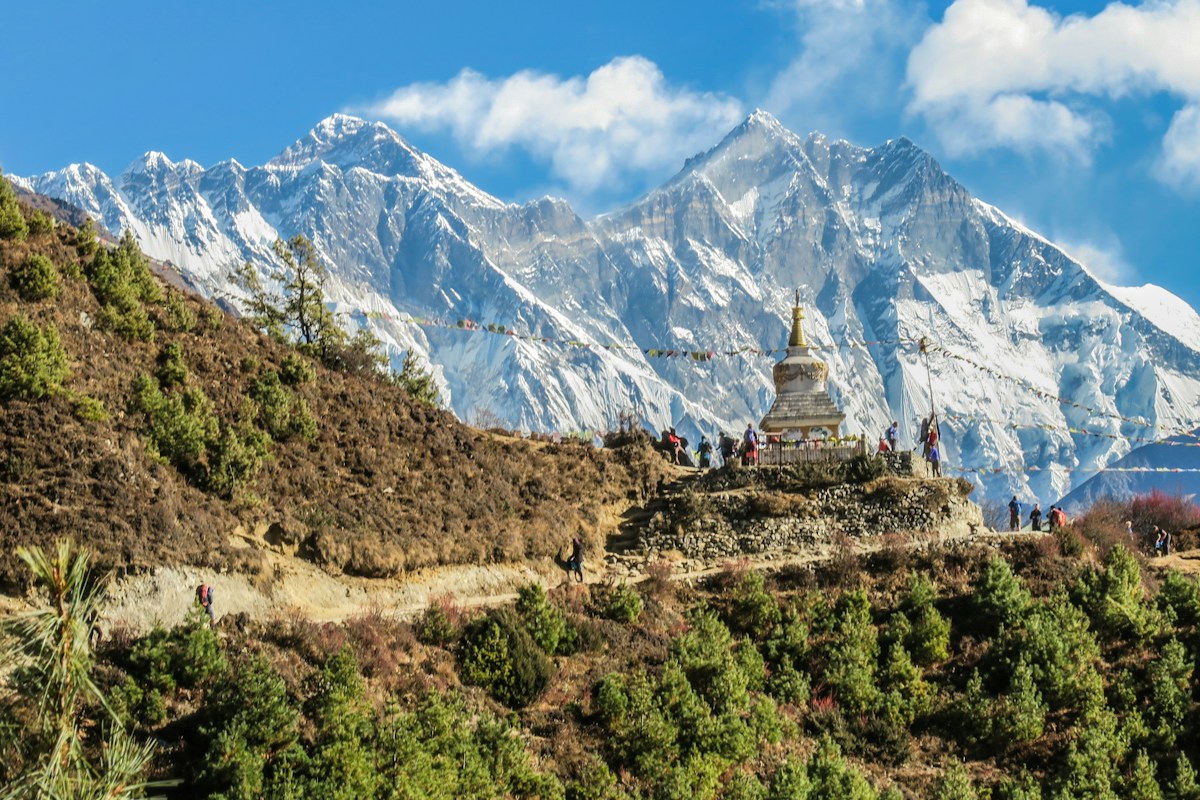
From Marco Polo's chronicles to royal coronation crowns, Ceylon sapphires stand as the undisputed pinnacle of natural beauty and ethical heritage.
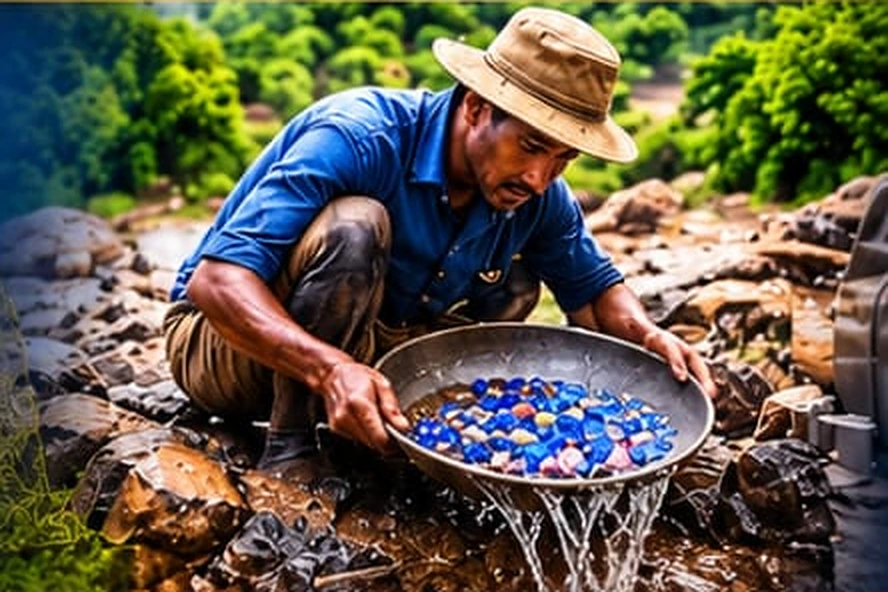
Nestled in the lush southwest valleys of Sri Lanka beneath the sacred peak of Sri Pada (Adam's Peak), Ratnapura is one of earth's geologically unique wonders. Over hundreds of millions of years, metamorphic erosion concentrated heavy corundum crystals into the riverbed gravel known as Illam.
Unlike mechanized open-cast mines that scar entire landscapes, Ratnapura mining preserves ancient sustainable traditions. Miners sink vertical timber-braced shafts into the gravel stratum and hand-winch the gravel to the surface for artisanal washing in conical cane baskets.


How Sri Lanka's sapphire treasures have defined royal dynasties across millennia.
Biblical and Middle Eastern chronicles recount that King Solomon wooed the Queen of Sheba with magnificent Ceylon sapphires and rubies transported across ancient Indian Ocean trade routes.
Venetian explorer Marco Polo recorded in his travelogues: "The island of Ceylon produces more beautiful rubies, sapphires, topazes, and amethysts than any other spot on earth."
Prince Albert presented Queen Victoria with a Ceylon sapphire brooch on their wedding eve. In 1981, Prince Charles chose a 12-carat oval Ceylon blue sapphire for Princess Diana—now famously worn by Catherine, Princess of Wales.
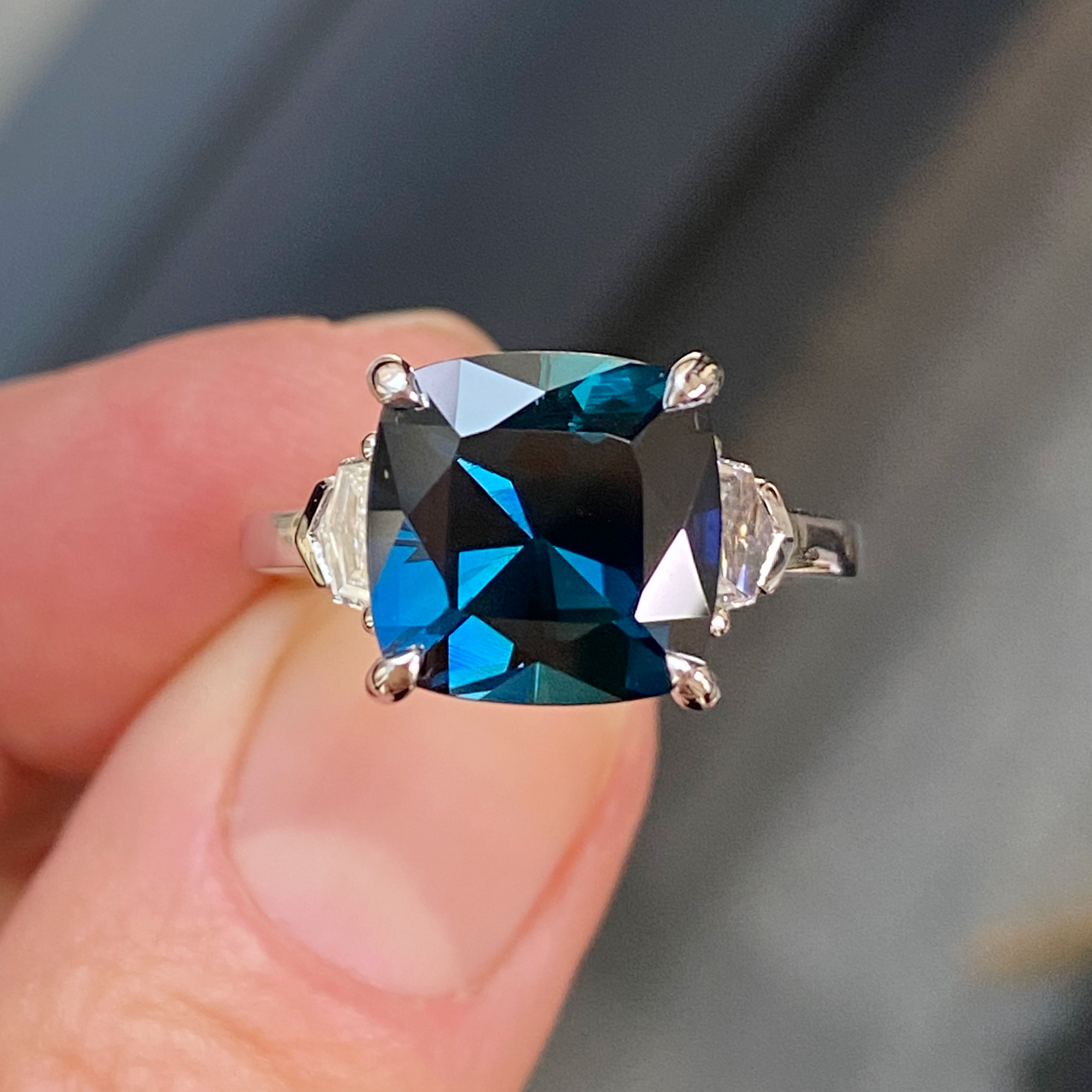
Cutting an unheated sapphire requires far greater intuition than cutting synthetic stones. Sri Lankan master cutters (known as Porekarayo) study the natural pleochroism of raw crystals for days before applying the first wheel touch.
By properly orienting the stone's c-axis perpendicular to the table facet, our artisans ensure deep velvety royal blue brilliance while minimizing windowing and preserving optimal weight.
Explore Our Bespoke Lapidary Atelier